 Beatrice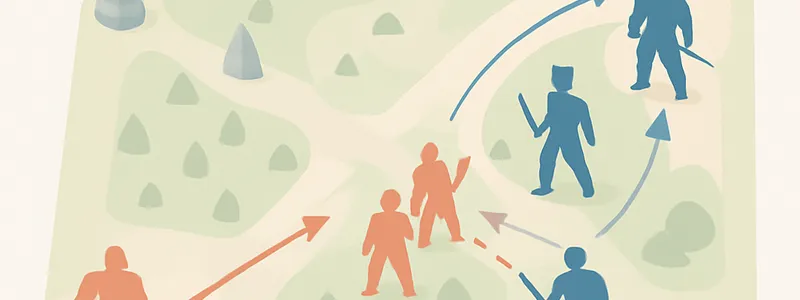
If you’ve ever chased the thrill of organized League of Legends and found yourself staring at a broken Nexus, you’ve probably felt the impact of a good—or a bad—split-push. Advanced split-pushing tactics for organized play aren’t just for the pros; they’re essential for any Flex 5 team looking to climb, dominate, and grow together. Let’s face it: anyone can send a Yorick bot lane, but orchestrating a real split-push under pressure? That’s a whole new level of teamwork and strategy.
What separates casual solo queue shenanigans from consistent Flex 5 success is the ability to coordinate, communicate, and control the map. With the right approach, split-pushing becomes a potent weapon—one that doesn’t just win games but also makes your team untouchable in clutch moments. Curious about how multi-lane pressure creates breakthroughs, or how your team can optimize split-pushes without falling into common traps? Stick around as we dive into nuanced tactics, illustrated with relatable examples, practical advice, and a commercial twist—because sometimes, you need expert help to truly elevate your game.
Understanding the Fundamentals of Split-Pushing in Flex 5 Team Play
Before jumping into the advanced mechanics, let’s break down what split-pushing really means in the context of organized League of Legends. While solo queue often devolves into chaos, Flex 5 play relies on coordination and real strategy. A successful split-push isn’t just sending someone to farm a side lane; it’s about calculated risk, synchronized pressure, and smart rotations.
What Is Split-Pushing?
Split-pushing is when a champion—often a strong 1v1 duelist or someone with great escape tools—applies map pressure in a side lane while the rest of the team occupies other areas. In Flex 5, this tactic forces the enemy to spread out, creating opportunities to secure objectives or pick off champions left alone.
- Classic split-pushers include champions like Tryndamere, Fiora, and Jax.
- Successful split-pushing requires vision, timing, and map awareness—something solo queue rarely delivers, but which Flex teams can coordinate beautifully.
But here’s the kicker, especially in organized play: a split-push only works if your team understands how to apply map pressure elsewhere. If everyone tunnels on minions and loses sight of the bigger picture, you’ll quickly find your strategy falling apart.

Pressure Points: Why Organized Teams Excel at Split-Push
So, what makes Flex 5 teams uniquely positioned to leverage split-pushing? It comes down to information sharing and synchronized action. Imagine a scenario: your top laner, playing Camille, is pressuring top while the rest of the squad groups mid. Rather than random solo queue pings, there’s clear communication—jungler is shadowing mid, vision is deep in the enemy jungle, and everyone knows when to back off or commit. It’s artful when executed well.
- Coordinated vision sweeps prevent flanks and catch rotations.
- Effective communication tells your split-pusher when to go hard, and when to back out—crucial against globals like Shen or Twisted Fate.
According to a 2023 esports study, teams that mastered coordinated map movements won 68% more games when utilizing split-push strategies than teams that stuck to 5-man groupings (source: EsportsStatsCo).
Common Pitfalls and How to Avoid Them
Flex 5 squads often fall into familiar traps: overcommitting, poor wave control, or lackluster vision. If your split-pusher is picked off before pressure mounts, or if your other four can’t withstand a 4v5, you’ll quickly lose control.
- Always check cooldowns: Does the enemy have Teleport or a global ult?
- Set up side lane vision before initiating pressure.
- Have a game plan for disengaging if the fight goes south.
This is why successful Flex teams often rely on pre-set playbooks and role clarity. Each member knows their expectation and limits. Clear roles and routines are the backbone of effective split-pushing.

Coordinating Multi-Lane Pressure for Maximum Map Control
Once the basics are in place, it’s time to unlock the true power of split-pushing: multi-lane pressure. This is less about solo heroics and more about orchestrated team movements across the map. If you nail this, closing games becomes less of a slog—and your squad will feel unstoppable.
The Mechanics of Multi-Lane Pressure
Multi-lane pressure means dividing your attention and strength between at least two lanes at crucial points—usually after securing a lead or knocking down an early tower. The most common sequence looks like this: your strongest duelist (let’s say Fiora) draws enemy attention top, while the remaining four members exert pressure mid and bottom.
- Key to this tactic is synced wave management. If your side lanes and mid wave hit the outer towers at the same time, the enemy is forced to split their defense.
- Smart teams leverage Baron or Dragon timing to create windows for these pushes.
Consider the feeling of watching the enemy scatter as your waves crash together—opening up a safe Baron attempt or creating kill zones as they scramble to respond.
Wave Manipulation and Timing
Expert split-pushing isn’t just about moving down the lane. It’s about holding the minion wave, building up a super wave, and then unleashing it at the right moment. This requires an understanding of slow pushing versus fast pushing—terms your Flex 5 team needs to master:
- Slow pushing: Letting multiple waves build to create a massive minion army (great for exerting pressure when objectives are up).
- Fast pushing: Quickly shoving the wave to crash the tower and reset the map (ideal after a successful pick).
Timing matters: coordinate with your team so side lane minions hit tower just as objectives spawn—giving you a pressure advantage your opponents can’t easily match.
Case Study: Turning Split-Push into Game-Winning Plays
Let’s bring this to life. Imagine your squad has Baron and a gold lead. Instead of a brute-force 5-man, you send your Fiora (with Teleport up) to push bot, while four support the mid wave. As the enemy sends two bot to stop Fiora, your mid squad makes a pick—then pivots to crack open the base. The result? An inhibitor taken without a single risky teamfight. That’s the magic of coordinated split-pushing in Flex 5 play.
- Avoid the temptation to group blindly. Trust your pressure, trust your teammates, and always communicate enemy movements.
- Don’t force 1v2 fights; the goal is to apply map-wide threat, not to chase solo kills.

Executing Advanced Split-Pushing: Adaptability and Decision-Making
Now that your foundations are solid, let’s talk about taking your split-pushing to the next level. The reality of advanced split-pushing is adapting to real-time obstacles: enemy globals, premature engages, or changing win conditions. Organized play demands flexibility from every team member.
Adapting Split-Push Strategies in Real-Time
No plan survives first contact with the enemy. Smart Flex 5 teams call audibles in response to enemy shifts. Say their Malphite suddenly leaves top to join a fight mid. Is it time for your top laner to double down, taking a second tower? Or do they rotate mid, flipping the numbers? Legendary teams always weigh the risk and reward, aware of the enemy’s possible plays.
- Good communication tools (like Discord or in-game voice) let your team react instantly.
- Have set phrases like “Fiora hard-committing bot” or “Peeling off Baron for TP flank” so everyone knows the plan change, instantly.
Quick decisions—like sacrificing a tower for a large objective—differentiate regular teams from championship contenders.
Recognizing When to Pivot
Being stubborn with your split can cost you. Maybe the enemy expects your Yorick bot every time, matching with a 3-2 split or a high-mobility jungler. That’s when your team needs to shift gears—maybe by faking a push (showing two top, then quickly collapsing mid with all five). Keep the enemy guessing!
- Watch for enemy grouping signals (such as missing vision or Quick Pings on the map).
- Don’t hesitate to swap lanes, pass off control to a different champion, or even call for a full collapse for Dragon soul.
Organized Flex play lets you do things solo queue teams rarely manage: swap strategies on the fly, and keep your opponents reacting instead of dictating the pace.
Mastering the Art of Safe Split-Pushing
Advanced split-pushing is about safety as much as pressure. Suppose you’re shoving side lanes while the enemy has Malzahar ult or a shadowing Evelynn. Isolated deaths throw your plan off. Place deep wards, keep a pink in inventory, and never push past river unless you have vision and team backup. This discipline transforms Flex 5 rosters from good to great.
- Check the minimap every few seconds—if you don’t see three enemies, expect them to collapse on you.
- Whenever possible, have mid priority before committing hard to the split—it keeps lanes safer overall.
- Rotate off towers when the enemy five-man disappears—sometimes, safe is better than sorry.

Team Communication, Vision, and Tools: The Support Behind Successful Split-Pushes
None of these tactics work without tight communication and vision control. Advanced split-pushing in Flex 5 play is not only about mechanical skill—it’s about information. Teams that invest in the right tools and structure will find themselves winning off of knowledge, not just quick reactions.
Establishing Clear Communication Protocols
The backbone of any organized team is communication. Forget messy open Mics or ping spam; you want concise, codified calls that everyone understands. This minimizes confusion during high-tension plays and keeps everyone on the same page.
- Call out enemy summoner spell cooldowns ("No TP for 3 minutes—go hard top!").
- Confirm team positions before pressing an objective ("Group mid, Fiora start slow push bot").
- Have a secondary plan—"If they send three, we back or collapse."
Want to see this in action? Watch pro scrims or major Flex 5 streamers—they use short, meaningful shots of info, never wall-of-text comms.
Vision Control: The Unsung Hero
Vision wins games—especially when split-pushing. Ensure your team buys Control Wards, sweeps regularly, and sets up Vision before executing on side lanes. A single missed ward can spell disaster, while a well-timed sweep can secure a winning split-push.
- Invest in Vision early, not just late game. Map control builds gradually.
- Assign vision duties—supports for mid, jungler for deep side wards, laners for flank protection.
Stat fact: Teams with +25% more placed Control Wards than their opponents had a 54% higher win rate on split-push compositions in 2023 (source: LoLGamesData).
Leveraging Analytics and Coaching Tools
Today’s elite Flex 5 teams use plenty of resources to break down and enhance their play. This is where data analysis and expert coaching give an edge:
- Use replay review tools to analyze failed and successful split-push attempts. Look for where comms broke down or where vision gaps led to disaster.
- Work with a League of Legends coach specializing in team strategies—they can set up drills, playbooks, and live feedback sessions that solo grind simply can’t match.
Not sure where to start? That’s where seeking qualified external help makes a world of difference—don’t let simple mistakes cost big wins.

Professional Guidance: Why Partnering With Experts Transforms Your Flex 5 Success
By now, it’s clear that split-pushing isn’t just a solo adventure—it’s the result of coordinated, professional-level prep. So why do so many organized teams struggle to reach that next rung? There’s no shame in it. The best squads worldwide rely on outside guidance, structured training, and even third-party services to sharpen their edge.
Recognizing Your Team’s Limitations
No team is immune to stumbling blocks—whether it’s role confusion, split-push miscommunication, or simple laning mistakes. Self-review can only take you so far; sometimes, it takes a pro’s eye to spot bad habits and transform them into strengths.
- Are your losses often due to mid-late game splits? Or maybe vision setup always breaks down?
- Do you have ambitious goals, like climbing to Master or dominating amateur circuits?
This is where qualified coaches or strategy consultants elevate your entire approach. With targeted drills and feedback, those advanced split-pushing moves become second nature.
Tailoring Solutions to Your Squad’s Needs
Not all teams face the same hurdles. Some need help with champion pool expansion, others with split-second call making. Recognized service providers can:
- Run personalized workshops for tough-drafted scenarios.
- Offer deep-dive analytics to address recurring split-push issues.
- Map out macro plans that take your strengths and weaknesses into account.
In business and on the Rift, outside expertise saves time and accelerates learning. Why struggle blindly when pro-level support is just a booking away?
Commercial Partnerships: Unlocking Team Potential
Increasingly, top Flex 5 teams work with experienced partners to handle the nitty-gritty—analytics, scheduling, even culture building. If your team is serious about leveraging advanced split-pushing tactics for organized play, don’t go it alone. Invest in expert help, so you can focus on what matters: winning more games, climbing higher, and enjoying the process together.
Ready for your next breakthrough? Seek out pros who understand both the grind and the game theory—because in League of Legends, every detail counts.
Conclusion: From Split-Pushers to Champions
Advanced split-pushing isn’t just another tactic; it’s the strategic heartbeat of every Flex 5 team aiming to go from coordinated to truly competitive. With strong fundamentals, multi-lane pressure mastery, adaptability, and the backing of pros, your squad can turn every split-push into a game-winning move. But, as we’ve seen, the difference between near-misses and big wins often comes down to qualified support and robust communication.
Are you ready to push your team’s limits—or will you let your rivals outmaneuver you on the map? The choice is yours. But for most teams ready to make the leap, partnering with the right experts turns those close games into sweet, decisive victories.
Don’t split-push alone—level up your team’s strategy with advanced coaching, tailored feedback, and the organizational backbone your squad deserves. See you on the Rift!